Promoting Food Security and Livelihoods: SEA's Impact and Ongoing Support

In the face of persistent challenges related to food security and livelihoods, SEA (Social Environmental Agency) has been at the forefront of providing assistance and support to vulnerable communities. Through our dedicated efforts and comprehensive programs, we have made significant strides in improving access to food, enhancing livelihood opportunities, and promoting sustainable development. This highlights the role of SEA in addressing food security and livelihood challenges, as well as the continued need for support to uplift the lives of those in need.


A. Strengthening Agricultural Practices


  1. We provide training and support to farmers, equipping them with sustainable farming techniques, crop diversification strategies, and natural resource management practices. This helps increase productivity, enhance soil fertility, and improve food production.


B. Income Diversification and Entrepreneurship


  1. SEA recognizes the importance of income diversification in reducing vulnerability and enhancing food security. We offer vocational training and entrepreneurship programs that empower individuals to explore alternative income sources and establish small businesses.
  2. Through skill-building workshops and access to microfinance opportunities, we support aspiring entrepreneurs in sectors such as poultry farming, beekeeping, food processing, and handicraft production. This enables them to generate additional income and improve their livelihoods.
  3. 3. Focus on empowering individuals and communities to become self-reliant through skills training and income-generating activities


C. Market Access and Value Chain Development


  1. SEA works to strengthen market linkages and value chains for small-scale farmers and producers. We establish partnerships with local markets, processors, and retailers to create sustainable market opportunities.
  2. By facilitating fair trade practices, promoting value addition, and providing market information and access, we enable farmers to obtain better prices for their products. This enhances their economic stability and contributes to improved food security.


D. Collaboration and Partnerships


  1. SEA understands that addressing food security requires collaboration and partnerships. We work closely with government agencies, non-profit organizations, local communities, and donors to leverage resources and expertise.
  2. By joining forces, we can create synergy, pool resources, and scale up our impact. Together, we strive to address the root causes of food insecurity and create sustainable solutions.


E. Community Capacity Building


  1. We believe in empowering communities to be agents of change. Through our community capacity building programs, we facilitate knowledge sharing, skill development, and collective action.
  2. Community-led initiatives, such as farmer cooperatives, community gardens, and savings groups, foster self-reliance and resilience. We provide training on sustainable farming techniques, natural resource management, and financial literacy to enhance community capabilities.


SEA's unwavering dedication to promoting food security and livelihoods has made a tangible difference in the lives of vulnerable individuals and communities. By adopting a holistic approach, empowering individuals, and collaborating with stakeholders, we have created sustainable solutions and improved the well-being of thousands of people. However, the challenges of food security persist, and the need for ongoing support is crucial. We call upon donors, partners, and individuals to join us in our mission to create a world where everyone has access to nutritious food and the opportunity to thrive. Together, we can make a lasting impact and build a future of food security and sustainable livelihoods for all.

Some of Our Projects - Food Security and Livelihoods

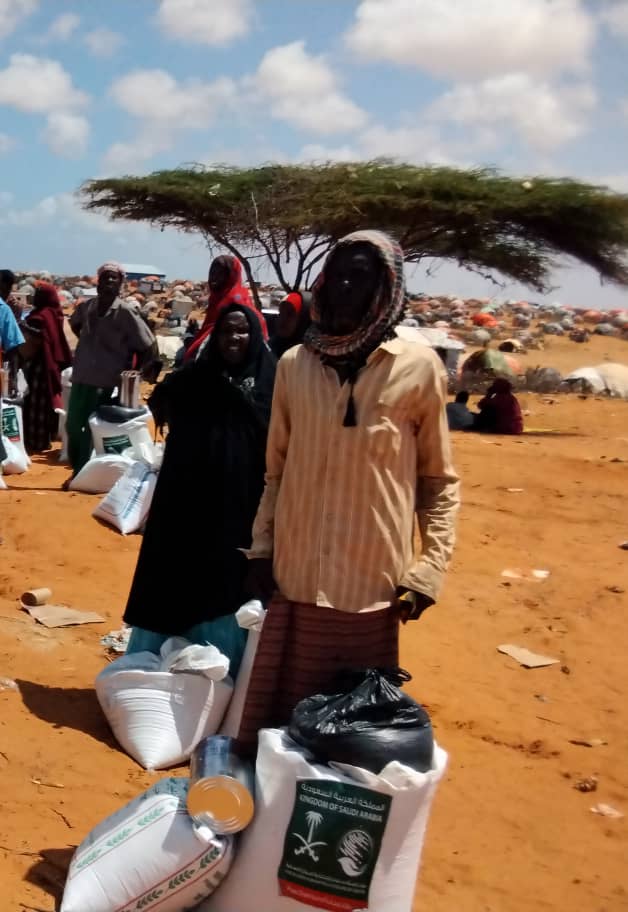
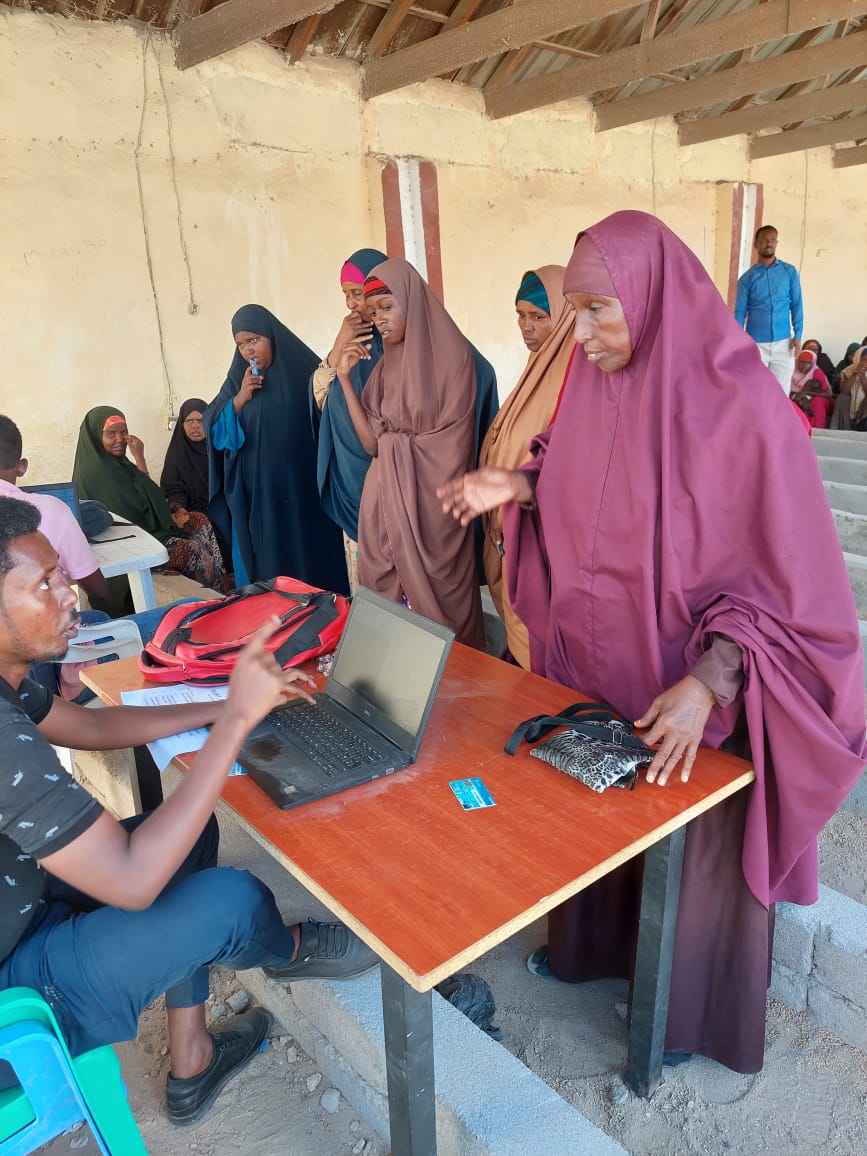
The distribution of in-kind food aid to vulnerable households in Kismayo has successfully provided essential food items to 9,062 households, promoting food security and improving the well-being of the beneficiaries.

Download

Gallery